Trouble at Tsukiji: world’s biggest fish market caught in limbo as move stalls
Crisis over famed Tokyo market’s relocation, put on hold because of pollution at its planned new site, hangs over traders as they go about the business of feeding supply line of top-quality fish to restaurants

From extravagantly priced tuna belly sushi to a simple dish of tempura squid tentacles, if you eat seafood in Tokyo it will almost certainly have come from Tsukiji market, a sprawling collection of warehouses, restaurants and shops that has been part of the Japanese capital’s economic and cultural fabric for more than 80 years.
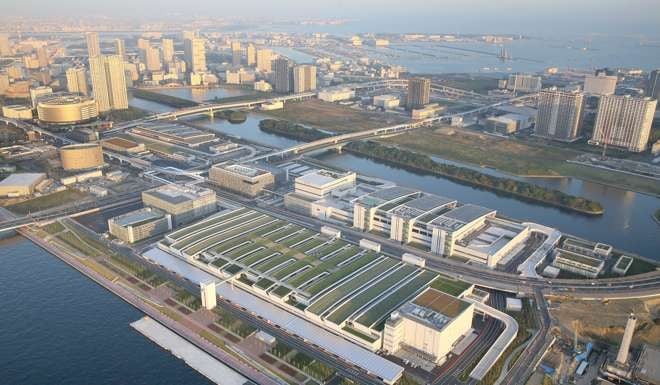
By the time the dawn auctions have ended, 3,000 mostly frozen tuna – their lifeless forms resembling second world war bombs – will have passed through Tsukiji before being sent across Japan. But the fate of the world’s biggest fish market is in the balance after a planned move to new premises was halted due to contamination concerns.
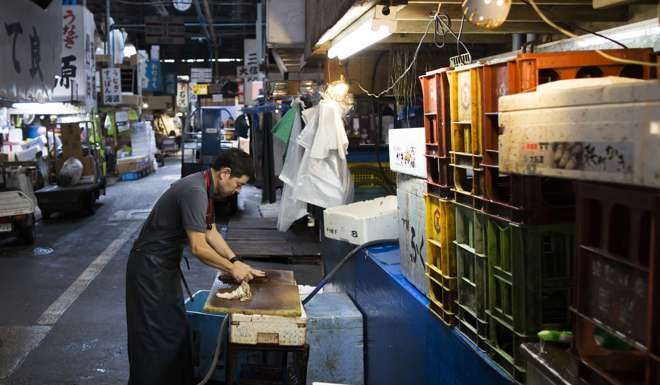
Tsukiji is a draw not just for tuna lovers. The sprawling market, covering 2.4 million sq ft, handles more than 400 varieties of seafood a day with a combined weight of 1,800 tonnes, generating daily sales worth about 1.8 billion yen. It also sells about 270 varieties of fruit imported from around the world.