ReviewThe Aftermath film review: Keira Knightley in B-movie version of Lady Chatterley’s Lover
- The film is spoiled by stereotyped characters and a soap opera approach
- The farcical plot appears to be looking for sympathy for Nazis

1.5/5 stars
This misguided second world war film tries so hard to be even-handed, it seems like it’s forcing viewers to sympathise with the Nazis.
It reduces the subtle emotional and political demarcations of Welsh novelist Rhidian Brook’s characters to trite movie stereotypes who act so predictably, the result is risible where it should be heartbreaking, and awkward where it should be daring.
A strong theme about setting the ghosts of the past to rest to build a better future is quickly reduced to an unbearable cliché.
The Aftermath takes place in Hamburg in 1946, a year after the war’s end. Allied bombing has reduced the city to rubble, and corpses are still being discovered in the ruins. Lewis Morgan (Jason Clarke), a British army colonel, is sent to the city to try and bring order to the chaos. The army requisitions a mansion for Lewis and his wife Rachel (Keira Knightley), and the German owner Stefan (Alexander Skarsgard) and his young daughter are scheduled to be moved to a camp.
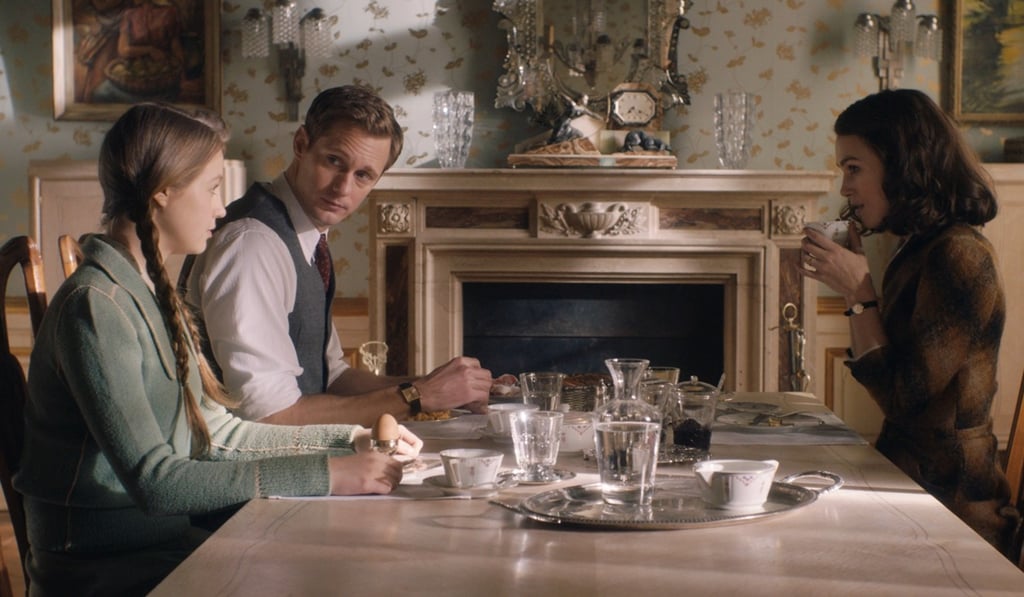
Lewis feels that now the Germans have lost the war, the defeated population should be treated with fairness and compassion, and allows the rugged Stefan and his daughter to stay on in the giant house, as long as they keep to themselves in the upstairs rooms.