
ReflectionsHow cremation became widespread in ancient China despite going against Confucian beliefs
Though seen as barbaric, cremation was a common, practical choice for families in China’s Song dynasty that reflected their economic reality

On a recent trip to Hong Kong, I visited the Aberdeen Chinese Permanent Cemetery. The ashes of a friend, who died eight months ago, are interred there. I had not been able to attend his funeral. Our last encounter was a distressing video call from his hospital bed a few days before he passed away.
Standing before his niche, I recalled the good times we had shared in Hong Kong and on holidays abroad, and how kind he had been to me. He was also a window into a world that I was never privy to – a mid-century Hong Kong of gentler sensibilities and slower, more deliberate comportment, before much of it was bulldozed by the grating brashness of the 1980s and 90s.
Like most people in land-scarce Hong Kong today, he was cremated, contrary to the traditional Chinese belief that burial brings the dead peace. Cremation was once even regarded as a form of humiliation or punishment, often reserved as an extreme penalty for heinous crimes. The intention was to obliterate the remains, thereby condemning the soul to eternal oblivion.
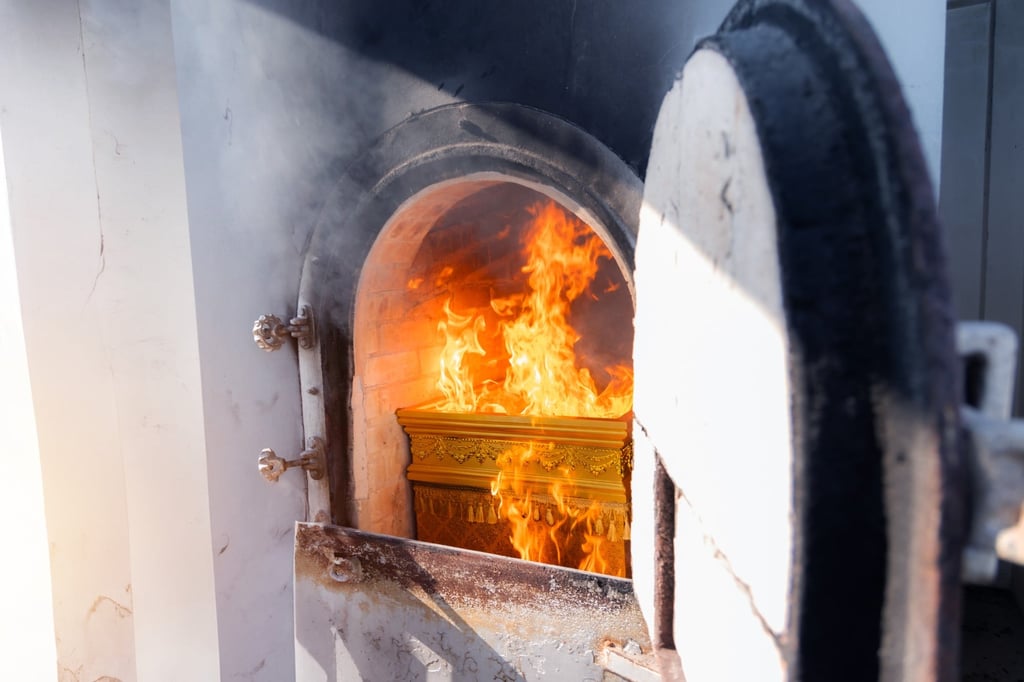
First was the profound influence of Buddhism, which viewed cremation as a sacred act that could guide the soul to the Western Paradise. Economics played a role, too. The Song era saw massive land grabs by the wealthy, leaving many ordinary people without a plot of earth to call their own, let alone the means to afford a costly burial. Funeral expenses – for burial plots, coffins, ceremonial goods and the hiring of ritual specialists – were simply beyond the reach of many families.