The oldest cold case: history of pirate who seized Indian treasure ship seen in new light after discovery of 17th century Arabian coins in New England
- A handful of coins found in the US indicate a pirate who became the world’s most-wanted criminal in the 1600s might have travelled to America while on the run
- Until now, historians only knew that Captain Henry Every sailed to Ireland in 1696 after he captured a royal Indian vessel filled with gold and silver
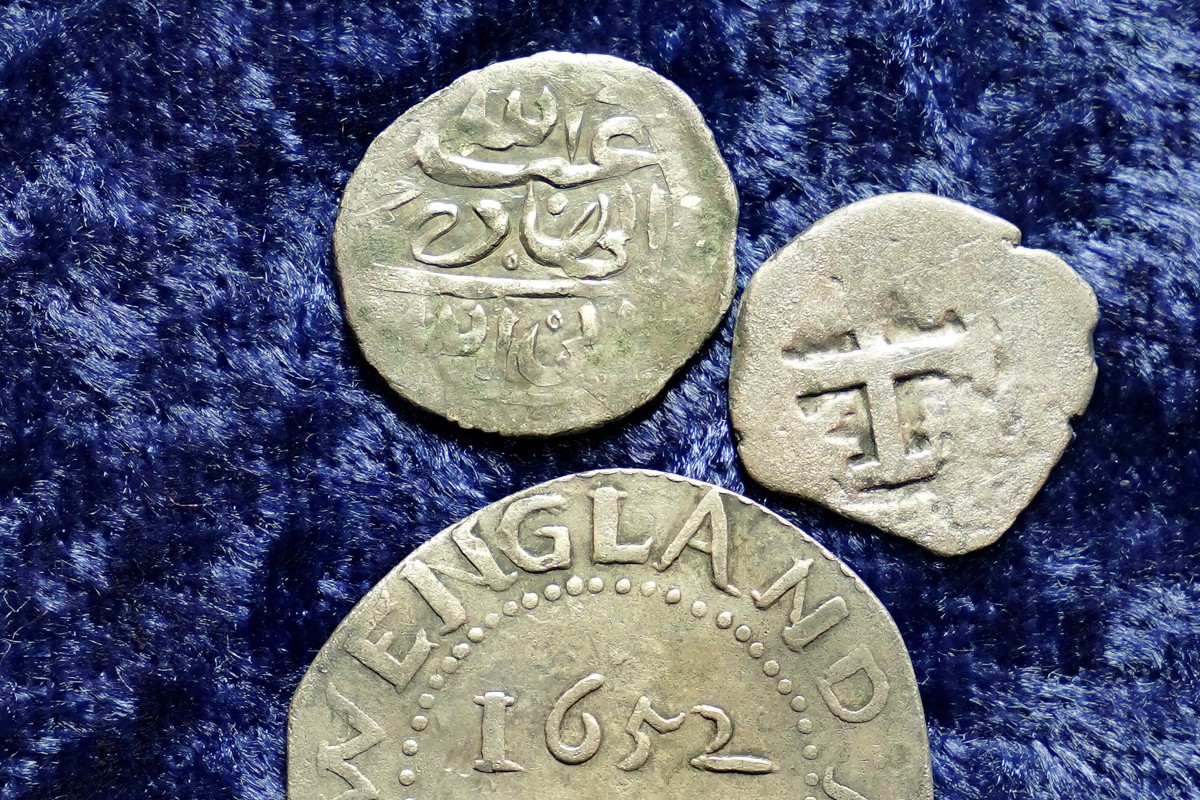
A handful of coins, unearthed from a pick-your-own-fruit orchard in rural Rhode Island and other random corners of New England in the United States, may help solve one of the planet’s oldest cold cases.
The villain in this tale: a murderous English pirate who became the world’s most-wanted criminal after plundering a ship carrying Muslim pilgrims home to India from Mecca in Saudi Arabia, then eluded capture by posing as a slave trader.
“It’s a new history of a nearly perfect crime,” said Jim Bailey, an amateur historian and metal detectorist who found the first intact 17th-century Arabian coin in a meadow in Middletown, Rhode Island.
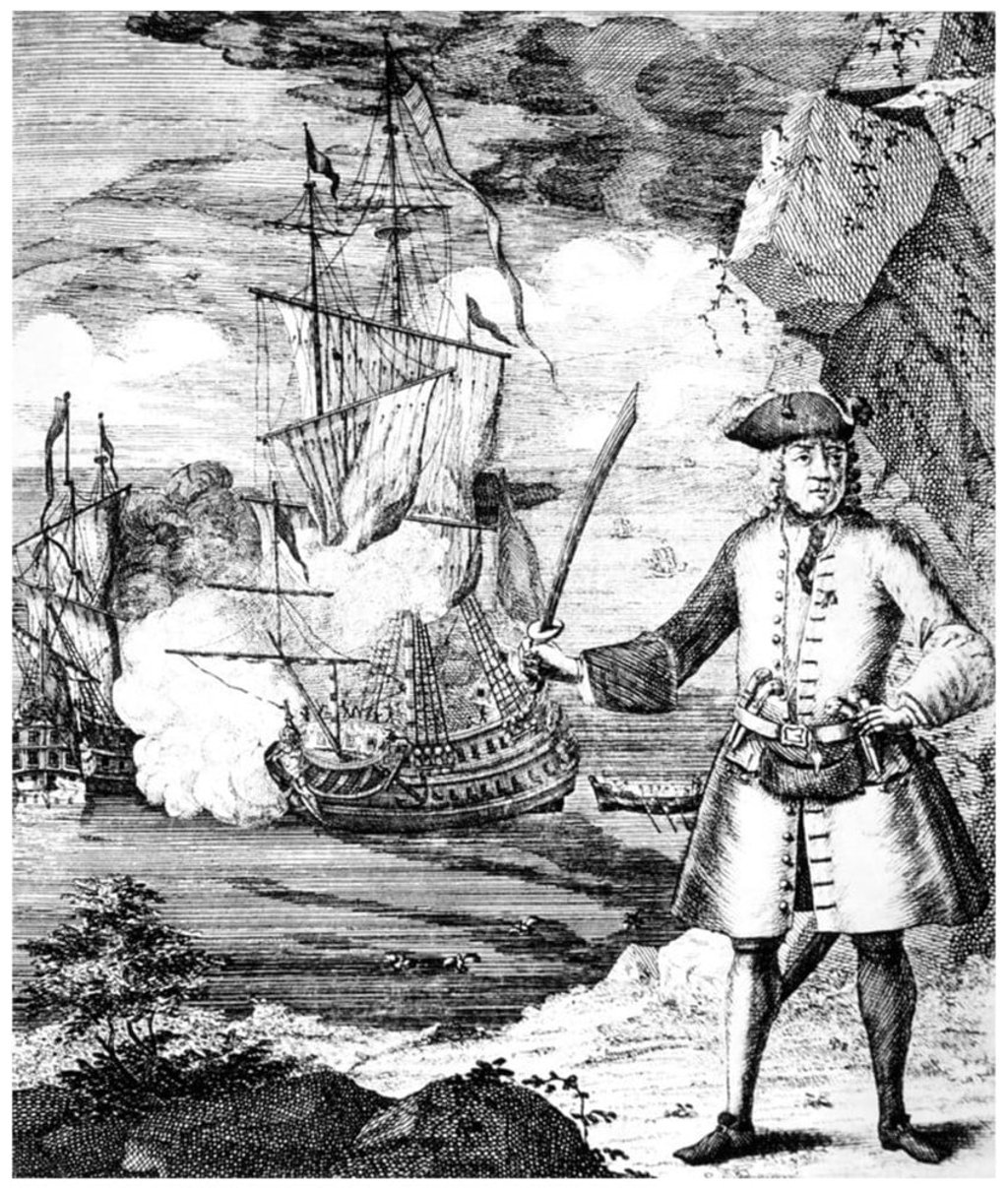
On September 7, 1695, the pirate ship Fancy, commanded by Every, ambushed and captured the Ganj-i-Sawai, a royal vessel owned by Indian emperor Aurangzeb, then one of the world’s most powerful men. Aboard were not only the worshippers returning from their pilgrimage, but tens of millions of US dollars’ worth of gold and silver.