
Across The Border | Demand for white goods in world’s largest appliance market may have peaked, analysts say
Flat sales of fridges and TVs suggest demand for those products may have peaked, but the future’s bright for air conditioners, say analysts.

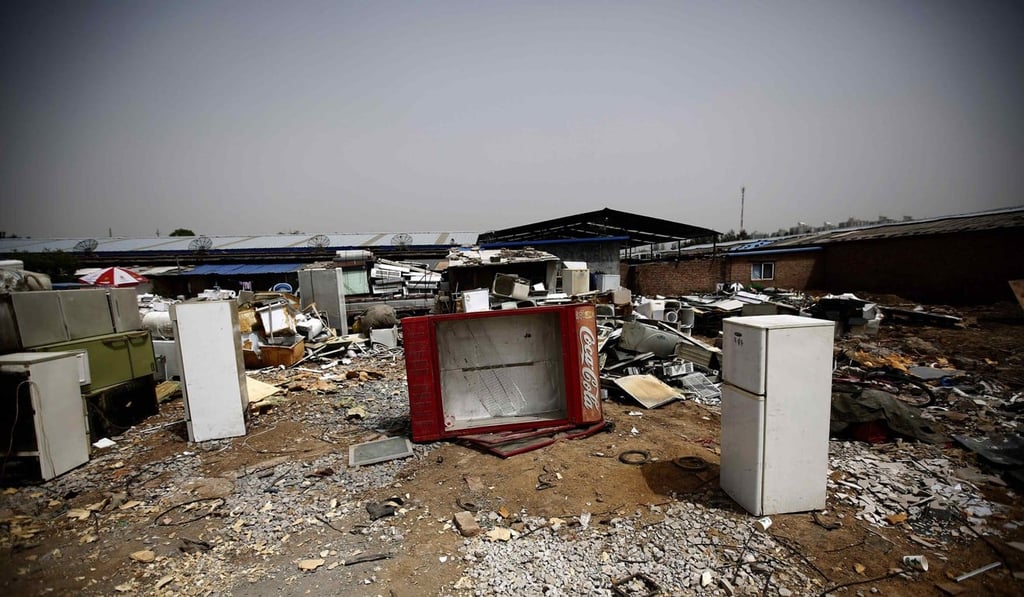
Chinese demand for traditional home appliances such as washing machines, refrigerators and televisions may have peaked, say analysts, pointing to the persistently flat or negative growth of those products in the past two years as evidence.
In the 1980s and 90s, ownership of those products symbolised a decent middle class life style, something to aspire to, and the sector began to blossom. But after three decades of breakneck economic growth, most of the mainland’s affluent households have already equipped themselves with sufficient home appliances.
.
I don’t care what new and exciting features home appliance producers roll out. I only consider purchasing products when my old products need to be replaced
As a result, sales of home appliances have started to show signs of weakness in the past two years in China, and increased home sales have not seemed to help much, analysts say.
“The rebound in housing sales over the past 18 months or so has not given much of a boost to appliance demand,” wrote Ernan Cui from Hong Kong-based Gavekal Dragonomics, a global investment house, in a recent note.
“The broader point is that China’s market for both housing and major home appliances has matured and is shifting onto a different trajectory.”
“There is a very weak relationship between housing sales volume and demand for home appliances,” said Horse Liu, an analyst at IHS Markit Technology’s home appliance intelligence service.