Advertisement
ExplainerHong Kong’s housing market cooling measures: What are they? Have they done their job? And should they be relaxed?
- The government and the monetary authority have introduced a variety of duties and rules to cool the city’s hot property market since 2010
- With the market now in a slump, developers and agents would like to see these measures relaxed
4-MIN READ4-MIN
4

Since the Hong Kong government began introducing cooling measures for the property market in 2010, annual home sales have generally declined. But this year at least one analyst believes that the number of transactions will fall to a 32-year low, raising questions about whether an already cooling market needs more cooling.
Between 2007 and 2010, annual sales of new homes, lived-in homes and public housing units numbered between 97,678 and 137,721, according to official government data. Between 2011 and 2021, sales numbered between 52,811 and 86,049.
Between those two time periods, the government introduced a series of new stamp duties – taxes on residential property transactions. In addition the Hong Kong Monetary Authority (HKMA), the city’s de facto central bank, has imposed rules on home loans that act to cool the market.
Advertisement
So far this year, overall property transactions, including residential and non-residential property, stand at 39,409. Buggle Lau, chief analyst at Midland Realty, estimates that for the rest of the year only about 25,000 units are likely to be sold, bringing the annual tally of property sales to a 32-year low.
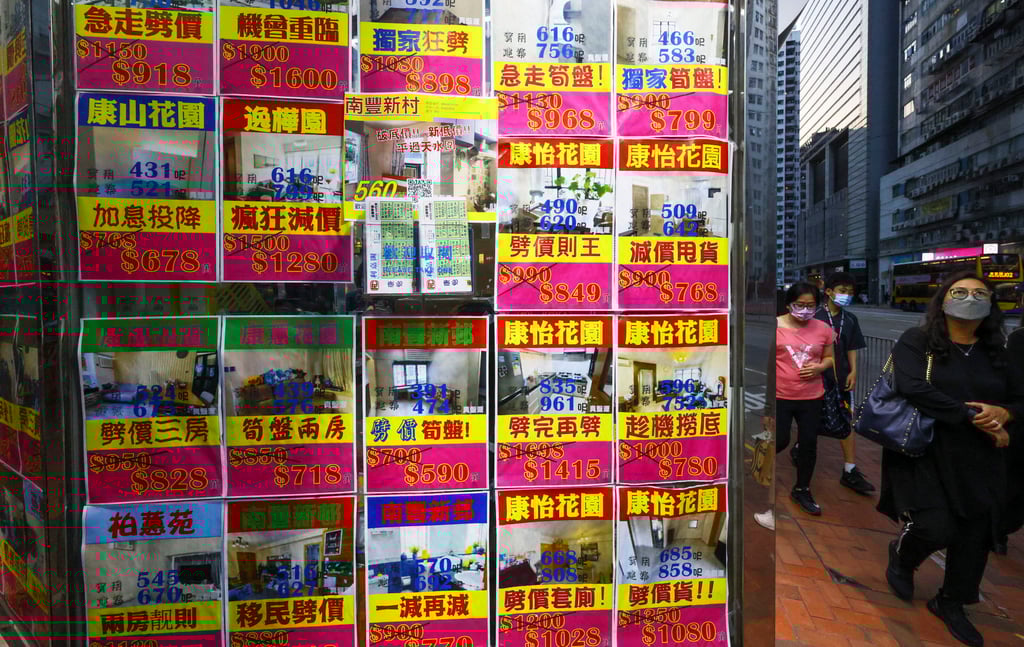
Many factors besides the cooling measures play a role in the current market slump, including the pandemic and its associated quarantine measures, rising interest rates, a stock-market in bear territory and recession fears.
Advertisement
Advertisement
Select Voice
Select Speed
1.00x