Under-the-radar Ethiopian city Dire Dawa draws tourists with cosmopolitan architecture and bustling markets
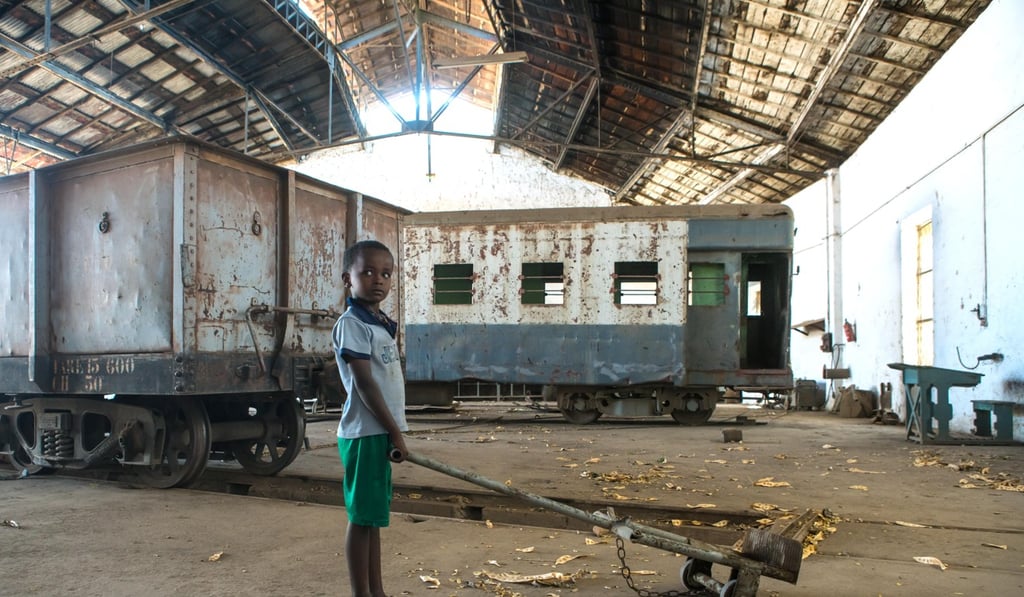
Can new Chinese-built railway revitalise strategic train stop in the exotic Horn of Africa?

Lying far to Ethiopia’s east, near the border with Somaliland and Somalia, and surrounded by dusty plains and low hills, Dire Dawa’s slow-burn delights are easily overlooked.
Nearby Harar, with its ancient walled inner sanctum and hyena men, hogs the limelight – not entirely unjustifiably – and most visitors immediately return to Addis Ababa, the national capital, 500km to the west. What they are missing is a surprising mix of Arab, French, Italian and Greek architecture, a rare international mishmash in the only African country that was never fully colonised.
The city’s vibrant shopfronts and tree-lined thoroughfares make Dire Dawa a natural refuge from the often frantic nature of getting around in Ethiopia, as well as the chaotic hustle and bustle that can dent the morale of travellers in some of the country’s other towns.
Divided by the seasonal Dechatu Wadi, which is usually dry, Dire Dawa is made up of two settlements. To the northwest of the wadi is the European-influenced newer part of town, Kezira, a quarter in which to rest, recuperate and sip macchiato coffees while watching the world slip by. To the wadi’s east you will find the vibrant old town of Megala, which has a distinctly Muslim feel, and lively markets that continue late into the night, haggling conducted in Amharic, Oromiffa, Somali and Arabic under bare light bulbs.